Commercial Cleaning Best Practices
February 12, 2026
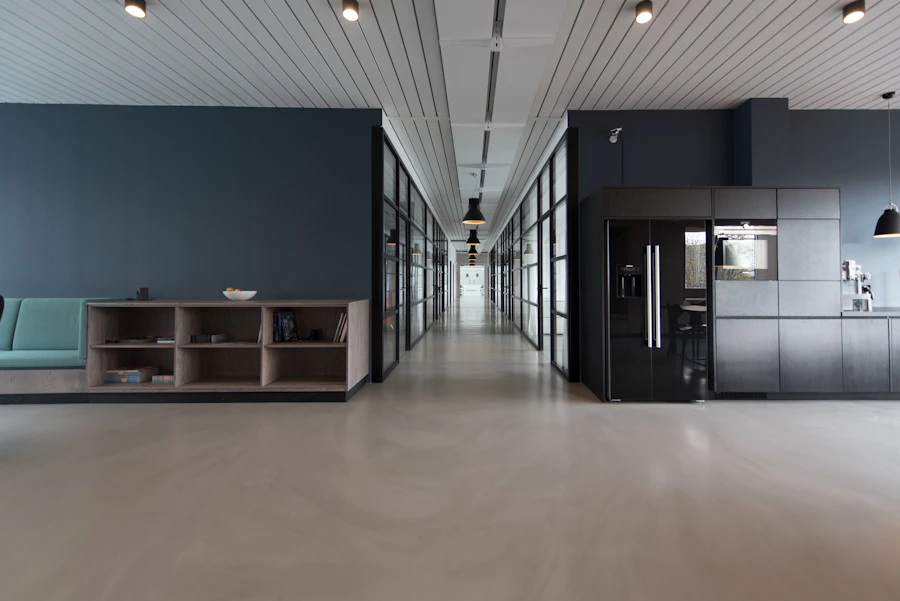
First impressions matter. A clean, organised office boosts employee productivity, reduces sick days, and creates a professional environment for clients.
Commercial cleaning is different from residential cleaning. It requires systematic protocols, industrial-grade equipment, and attention to high-touch areas that can harbour germs. Whether you manage a small office or a large corporate facility, these best practices will help you maintain a consistently pristine workspace.
Here’s how the pros at S.M Cleaning Services tackle commercial spaces – and how you can apply these principles to your own office maintenance.
1. Create a zone‑based cleaning schedule
Not all areas need daily deep cleaning. High‑traffic zones (lobbies, restrooms, break rooms) should be cleaned daily, while private offices and storage areas may only need weekly attention. A zone system ensures resources are used efficiently without compromising hygiene.
2. Focus on high‑touch surfaces
Door handles, light switches, elevator buttons, kitchen taps, and shared equipment (printers, keyboards) are hotspots for germs. Use EPA‑approved disinfectants and follow the correct dwell time (the time the surface must stay wet to kill pathogens).
3. Invest in the right equipment
Commercial spaces demand more than a household vacuum. Consider:
- HEPA-filtered vacuums to trap allergens and fine dust.
- Microfiber cloths and mops that capture bacteria without spreading dirt.
- Auto-scrubbers for large hard floors – they clean and dry in one pass.
- Colour‑coded cleaning materials to prevent cross‑contamination (e.g., red for restrooms, blue for general areas).
4. Restroom sanitisation protocol
Restrooms are the ultimate test of commercial cleaning. Start from the highest point (mirrors, walls) and work down to floors. Disinfect all fixtures, including flush handles, taps, and sanitary bins. Never reuse cloths between the toilet and sink areas.
5. Breakroom and kitchen hygiene
Shared fridges, microwaves, and coffee machines can become breeding grounds for bacteria. Empty and sanitise fridges weekly, descale coffee machines, and ensure all surfaces are food‑safe clean. Don’t forget to empty and disinfect the sink drain.
6. Floor care – beyond vacuuming
Carpets should be vacuumed daily in high‑traffic areas, with periodic deep extraction cleaning. For hard floors, daily damp mopping removes soil, but regular stripping and refinishing (every 6–12 months) keeps the finish protective and glossy.
7. Waste management and recycling
Empty bins daily and ensure recycling is sorted correctly. In commercial settings, odour control is vital – use bins with lids and deodorise regularly. For medical or industrial waste, follow specialised disposal regulations.
8. Green cleaning practices
Many businesses now require eco‑friendly cleaning. Use concentrated products to reduce plastic waste, choose biodegradable chemicals, and implement microfiber technology to cut down on water and chemical use. This not only helps the planet but also improves indoor air quality.
9. Staff training and consistency
Even the best protocol fails without proper training. Ensure cleaning staff understand chemical safety, dwell times, and the correct use of equipment. Regular audits and checklists help maintain consistency across shifts.
10. Communicate with building occupants
Let employees know when cleaning happens (e.g., after hours) and encourage them to keep desks clear and report spills. A partnership between cleaners and occupants leads to a cleaner workspace overall.
Why professional commercial cleaning matters
A well‑maintained office doesn’t just look good – it directly impacts your bottom line. Studies show that employees in clean environments are more focused and take fewer sick days. Clients also form opinions based on what they see (and smell) the moment they walk in.
At S.M Cleaning Services, we tailor commercial cleaning plans to your specific needs – whether it’s daily office upkeep, specialised floor care, or deep sanitisation. Our trained teams use commercial‑grade equipment and eco‑conscious products to keep your workspace healthy and impressive.